
Equipment
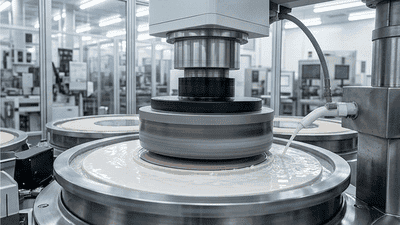
CMP Consumables Business Model: The Recurring Revenue Advantage
Chemical mechanical planarization has an attractive commercial characteristic: the equipment is purchased periodically, but the materials that make it productive are consumed repeatedly. Every qualified polishing process creates continuing demand for slurry, pads, conditioners, cleaning chemistry, and other supporting products.
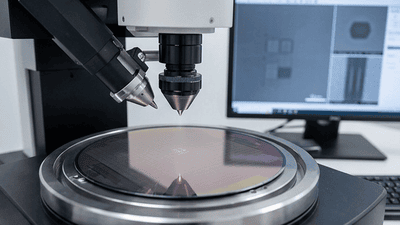
Ion Implanter Market: China’s Breakthrough Attempts in a Duopoly
Ion implantation is one of semiconductor manufacturing’s least visible but most consequential processes. The equipment does not attract the attention of extreme ultraviolet lithography, yet it helps determine the electrical properties that make a semiconductor device useful. A carefully controlled ion beam introduces selected species into a wafer, creating a material profile that must work with the rest of the manufacturing process.
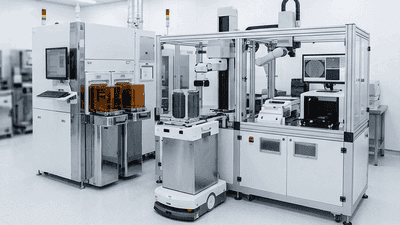
Inspection and Metrology Tools: The Yield Improvement Lever in 3nm
A 3nm manufacturing process can be technically impressive and commercially disappointing at the same time. The difference often lies in how consistently it produces usable devices. Expensive production equipment establishes the capability to manufacture advanced structures; inspection and metrology help determine whether that capability becomes repeatable, economical output.
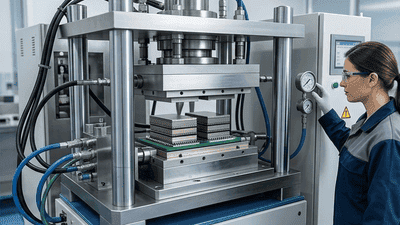
Bonder and Molder Demand from CoWoS and HBM: The Back-End Equipment Surge
The semiconductor investment cycle is no longer defined only by how many wafers a fab can process. For AI systems, manufacturing capacity also depends on how effectively advanced dies and memory stacks can be assembled into working packages. A wafer full of functioning chips creates limited commercial value if bonding, encapsulation, inspection, or testing cannot keep pace.

Wafer Fab Equipment Spending Forecast 2026: SEMI’s Upward Revision to $152B
The semiconductor equipment outlook has strengthened substantially, but the number attached to that improvement needs careful handling. The requested $152 billion figure could not be verified as SEMI’s 2026 wafer fab equipment forecast. In its July 2026 equipment sales update, SEMI projected wafer fab equipment sales of $143.9 billion, up 23.1% from 2025, and total semiconductor manufacturing equipment sales of $165.9 billion. Those figures describe different market categories and should not be combined or substituted for one another.
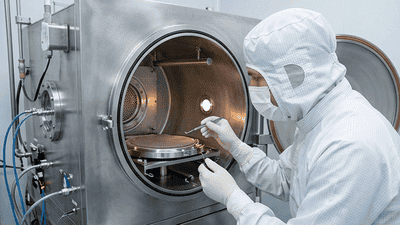
Electrostatic Chucks and Ceramic Heaters: The Core Component Shortage
A semiconductor factory can have enough cleanroom space, a healthy equipment budget, and strong customer demand—and still struggle to add productive capacity. Sometimes the missing link is not a complete machine. It is a highly specialized component that holds a wafer in place or controls its temperature inside a process chamber.
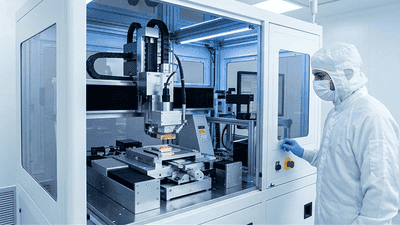
Advanced Packaging Equipment Growth: Outpacing Front-End Tools
The traditional division of semiconductor manufacturing was easy to describe. Front-end fabs created devices on wafers; back-end providers assembled, packaged, and tested them. Equipment purchasing broadly followed the same boundary. A foundry bought deposition chambers and etchers, while an assembly operation bought bonders, molders, and test systems.
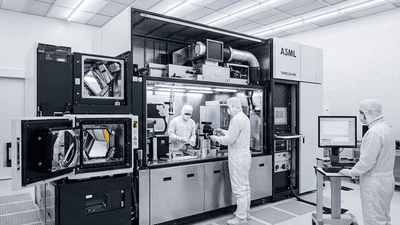
TSMC’s 20 Fabs Under Construction: The Equipment Order Pipeline
TSMC’s construction activity is becoming a defining signal for semiconductor equipment demand. When the world’s largest contract chipmaker develops multiple manufacturing projects simultaneously, the consequences extend beyond concrete, cleanrooms, and regional investment announcements. Each project creates requirements for process tools, subsystems, installation teams, and continuing service.
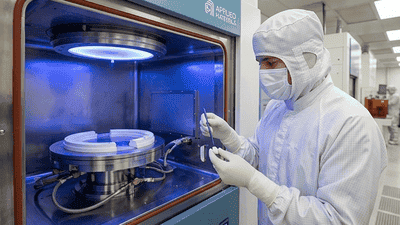
Advanced Ceramic Components in Etch and Deposition: The <10% Localization Gap
A semiconductor equipment company can assemble a competitive etch or deposition platform while remaining dependent on overseas suppliers for several of its most important internal components. The chamber carries a domestic brand, the controls are developed locally, and the process has passed customer evaluation. Yet the ceramic parts exposed to plasma, heat, and demanding chemistry may still come from a narrowly qualified supplier base.
China’s Equipment Localization Rate at 55%: The Mature Node Milestone
A semiconductor factory can become substantially more local without becoming entirely independent. Domestic etch chambers may operate alongside imported lithography systems. A locally assembled deposition tool may still rely on overseas components. An expanding packaging operation may use a different supplier mix from the wafer fab feeding it.