
ETFs

DRAM ETF PCF Changes: The Sentiment Signal
Semiconductor ETFs are often viewed as simple vehicles for gaining diversified exposure to the chip industry. Yet beneath the familiar ETF price chart is a detailed portfolio construction process that can reveal useful information about market expectations. One particularly interesting source of information is the portfolio composition file, commonly referred to as the PCF. Changes in the PCF can show how an ETF's underlying basket is being adjusted, and for DRAM-related semiconductor strategies, these adjustments may provide an early indication of changing investor sentiment.

Thematic Semi ETF Launches in 2026: The Product Innovation Wave
The semiconductor ETF market has entered a more creative phase in 2026. For years, investors could choose from relatively familiar products: broad semiconductor funds, regional technology ETFs, equipment-focused strategies, leveraged products, and a handful of thematic portfolios. The latest wave is different. ETF providers are increasingly attempting to package specific semiconductor narratives into investable products, responding to the growing diversity of the chip industry and to investors who want exposure to individual structural themes rather than the semiconductor sector as a whole.

Semi ETF Tracking Error: The Replication Quality Ranking
Semiconductor ETFs are often marketed around their themes, index exposure, holdings, and historical performance. Yet one of the most important characteristics of an ETF can be much less visible: how accurately the fund actually follows its benchmark. For investors comparing domestic semiconductor ETFs, overseas semiconductor products, and leveraged funds, tracking error provides a practical way to evaluate replication quality.

ETF Flow vs. Korea Export Data: The Lead-Lag Relationship
Semiconductor ETFs have become an increasingly important way for investors to express views on the global chip cycle. Domestic funds, overseas semiconductor ETFs, and leveraged products all provide different forms of exposure, but their movements are often connected to the same underlying economic forces. Among the most useful external indicators for understanding that cycle is South Korea's export data, particularly semiconductor exports.

Semi ETF Options Hedging: The Put Protection Cost-Benefit
Semiconductor ETFs offer investors an efficient way to participate in the long-term growth of chip manufacturing, artificial intelligence infrastructure, memory, advanced packaging, and data-center investment. The same concentration of opportunity, however, can create significant downside risk. Semiconductor stocks can move sharply when earnings expectations change, memory prices turn, capital expenditure forecasts weaken, or technology valuations reset. For investors who want to maintain a long position while reducing the impact of a sudden decline, put options can provide a form of portfolio protection.
Inverse Semi ETF Effectiveness: The Bear Market Tool Review
Semiconductor exchange-traded funds are usually associated with bullish participation in the technology cycle. Investors buy them to gain exposure to chip designers, memory manufacturers, foundries, equipment suppliers, and other companies expected to benefit from rising semiconductor demand. Yet the same industry can experience abrupt downturns when inventories rise, capital expenditure expectations weaken, technology cycles mature, or investor enthusiasm moves too far ahead of fundamentals. In those periods, an inverse semiconductor ETF can become an important tactical tool.

Smart Beta Semi ETFs: The Factor Tilt Performance
Semiconductor exchange-traded funds have traditionally been associated with market-capitalization weighting, sector representation, and straightforward exposure to a basket of chip companies. That model remains effective for investors seeking broad participation in the semiconductor cycle, but it does not necessarily capture the differences in quality, valuation, momentum, volatility, or profitability that exist within the industry. Smart beta semiconductor ETFs attempt to address this gap by introducing systematic factor tilts into the portfolio construction process.

Semi ETF Fee War: The Lowest Expense Ratio Products
Semiconductor ETFs have become an increasingly popular way to gain exposure to chip designers, foundries, memory manufacturers, equipment suppliers, and the broader artificial intelligence hardware ecosystem. As competition among ETF providers has intensified, another contest has developed alongside the race for assets: the fee war. Fund managers are increasingly competing on expense ratios, creating a growing selection of semiconductor products that promise broad sector exposure at very low annual costs.
Leveraged Semi ETF Decay: The Path Dependency Analysis
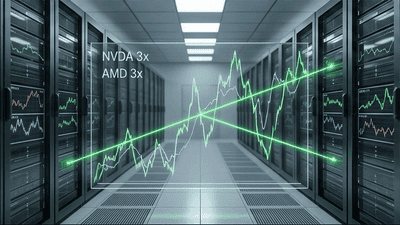
Leveraged semiconductor ETFs are among the most aggressive instruments available to investors who want concentrated exposure to the chip cycle. By seeking two times or three times the daily performance of a semiconductor index, these products can magnify gains when momentum is strong and the underlying market moves persistently in one direction. The same structure, however, creates a less intuitive outcome when markets become volatile. Over periods longer than a single trading session, the return of a leveraged semiconductor ETF can differ substantially from the simple multiple many investors expect.

DRAM ETF Holdings: The 73% SK Hynix, Samsung, Micron Concentration
DRAM has moved from being a relatively specialized component of the semiconductor industry to one of the most important beneficiaries of the artificial intelligence infrastructure boom. The rapid expansion of AI servers, high-performance computing, data centers, and advanced accelerators has increased attention on memory capacity, bandwidth, and supply discipline. For investors who want exposure to this trend without selecting a single memory stock, semiconductor and memory-themed ETFs offer a convenient alternative.